Welcome to the Future Technologies Institute! We are all about combining innovation and inspiration. We conduct cutting-edge research in the fields of artificial intelligence, quantum computing and high-performance computing. Our goal: We want to drive technology forward, tackle global challenges and make life better for everyone. Take a look at our projects, publications and initiatives to see how we are paving the way for a better future. We invite you to join us on this exciting journey into the world of tomorrow.
research
Our projects encompass a wide range of cutting-edge fields, including artificial intelligence, quantum computing, and high performance computing. Each project embodies our dedication to pushing the boundaries of what’s possible, offering insights into the future of technology. Discover how we are shaping the world of tomorrow through our innovative and impactful endeavors.
 Quantum Computing: quantum computing represents a groundbreaking approach to computation, leveraging principles from quantum mechanics. Unlike traditional computers that process data using binary bits (0s and 1s), quantum computers use quantum bits (qubits), which can exit in multiple states simultaneously through superposition and entanglement. This unique property allows quantum computer to potentially solve certain problems much faster than classical computers, especially in areas such as complex optimization, cryptography, and simulating quantum systems.
- QC uses quantum mechanics for computations
- Qubits can exist in multiple states at once, enabling faster calculations
- Applications: complex optimization, cryptography, and quantum system simulations
High- Performance Computing: High-Performance Computing involves the use of supercomputers and advanced parallel processing techniques to execute calculations at exceptionally high speeds. It is instrumental in scientific simulations, data analysis, weather forecasting, financial modeling, and other tasks that demand intensive computational power. HPC utilizes clusters of interconnected computers to tackle large-scale problems efficiently.
- HPC employs supercomputers and parallel processing for rapid complex computations
- Uses: scientific simulations, data analysis, and weather forecasting
- Systems: clusters of computers solving large-scale problems

Artificial Intelligence: Artificial Intelligence (A.I.) is a transformative technology that mimics human cognitive functions, such as learning, problem-solving, and decision-making. By leveraging algorithms and vast datasets, A.I. systems can perform tasks ranging from natural language processing and image recognition to complex strategic planning. Its applications span numerous fields, including healthcare, finance, transportation, and entertainment, promising increased efficiency, personalized experiences, and innovative solutions to long-standing challenges. As A.I. continues to advance, it raises important ethical and societal questions about job displacement, privacy, and the need for robust regulatory frameworks to ensure its benefits are equitably distributed while mitigating potential risks.
- AI simulates human intelligence in machines for tasks like perception, speech recognition, and decision-making
- Types: Narrow AI (specific tasks) and General AI (broad intellectual tasks
- Applications: healthcare, finance, automotive, and customer service

We support and guide organizations in navigating the digitalization of future technologies, helping them unlock their full potential. Our expertise enables businesses to seamlessly integrate cutting-edge digital solutions, fostering innovation and efficiency. From strategic consulting to hands-on implementation, we assist at every step of the digital transformation journey, ensuring that our clients are equipped to thrive in an increasingly digital world.
PROJEcTs
QuantumNetX
The QuantumNetX project aims to create a new platform focused on knowledge transfer regarding quantum technologies and their applications, connecting universities, SMEs, and other stakeholders.
The initiative centers on case studies and best practices prepared by research institutions and shared with companies in an accessible format through workshops, networking conferences, and other activities. By incorporating real-world data sources and pilot applications, we create concrete use cases and raise awareness among companies about the potential of this key technology.
Quantum Academy
The training of skilled professionals begins long before university studies. The Quantum Academy inspires students aged 10 to 17+ through innovative, cross-border educational formats focused on quantum technologies and their applications.
The Institute for Sustainable Educational Structures will work in partnership with the New Technologies Research Centre and the University of West Bohemia in Pilsen, Es Geht! Energiesysteme GmbH, NVIAS, and Digitalraum Main-Donau-Moldau e. V. In close collaboration with our partners, we are developing lectures, workshops, summer schools, and other educational opportunities to build a strong foundation for the next generation of quantum technology.
HPC@THD 2024
High-Performance Computing (HPC) is already a feature at many Bavarian higher education institutions. However, these institutions currently largely pursue their own independent approaches, meaning that synergies have so far remained largely untapped. Furthermore, there is a lack of central points of contact for information and inquiries regarding the HPC services already provided by the Leibniz Supercomputing Centre of the Bavarian Academy of Sciences and Humanities (LRZ) and the Regional Computing Centre Erlangen (RRZE). The project aims to increase the visibility of HPC and the associated existing resources, while establishing a cross-institutional network linking higher education institutions with other educational and research facilities. Through measures such as implementing a knowledge management system and providing overviews, specialist lectures, and direct contact channels, the project seeks to better leverage potential—both within individual institutions and across the higher education landscape—and to foster targeted exchange, including and especially at the Deggendorf Institute of Technology.
KONWIHR
Hydrogen is a key component of the energy and heating transition. However, for green hydrogen to be deployed economically, its production, storage, and transport must become significantly more efficient. The project investigates how artificial intelligence and quantum computing can help optimize the control of these processes. This involves examining not only electrolyzers but also related components such as heat utilization, battery storage, and transport infrastructure.
The goal is to develop and test an intelligent optimization model for green hydrogen systems. The model aims to demonstrate how energy, heat, and storage can interact with maximum efficiency—and whether quantum computing offers an added advantage over conventional AI methods.
DInO
Our mission at DInO is to drive digital transformation and innovation promotion in the rural regions of Eastern Bavaria as the European Digital Innovation Hub. We are a dynamic bridge between industry and research and are committed to bringing knowledge and technology to the region.
Our project creates an open environment where companies, public institutions and stakeholders from different industries come together to turn digital ideas into innovative solutions. With our expertise, resources and networks, we work with you to accelerate digital transformation, increase competitiveness and strengthen the spirit of innovation in our region.
You can find more information about the project here: Project DInO
EDIH
An EDIH is a non-profit organization or consortium that supports companies, especially SMEs and small midcaps, as well as the public sector in their digital transformation.
The EDIHs offer their services in the areas of “testing before investing”, “building in-depth digitalization expertise”, “support in accessing financing” and “innovation ecosystems and networking”.
In terms of content, they address the topics of high-performance computing, artificial intelligence, cybersecurity, building in-depth digitalization skills or other existing innovative technologies.
QuantumNetX
The QuantumNetX project aims to create a new platform focused on knowledge transfer in the field of quantum technologies and their applications. This involves networking universities, SMEs and other stakeholders.
The focus is on case studies and best practices, which are prepared by research institutions and communicated to companies in an understandable form through workshops, network conferences and other activities. By integrating real data sources and pilot applications, we create concrete application examples and raise awareness among companies of the possibilities offered by this key technology.
HPC@THD 2024
High-performance computing (HPC) is already a topic of interest at many Bavarian universities. However, each university currently follows its own path, meaning that synergies have hardly been exploited to date. There is also a lack of central contact points for information and questions about HPC offerings at universities in Bavaria, which are already provided by the Leibniz Supercomputing Centre of the Bavarian Academy of Sciences (LRZ) and the Regional Computing Centre Erlangen (RRZE). The aim of the project is to raise the profile of HPC and the associated and existing resources and to establish a comprehensive network between universities and other educational and research institutions. Through measures such as the establishment of a knowledge management system, the provision of overviews, specialist lectures and direct contact opportunities, the aim is to make better use of both internal and cross-university potential and to promote exchange in a targeted manner – also and in particular at the Deggendorf Institute of Technology.
Events
FuT3ch Symposium 2026
Review: Future Technology Symposium 2026 – May 20, 2026 – Deggendorf
The Future Technology Symposium 2026 was an outstanding success, impressively reaffirming its role as a key platform for exchange between academia and industry. Hosted by the Institute of Future Technology, the event has evolved from humble beginnings as part of a lecture series into a well-established and eagerly anticipated fixture.
Once again, the symposium brought together students, leading industry representatives, and experienced mentors. A particular highlight was the intensive networking among participants, which fostered numerous valuable contacts, collaborations, and perspectives for future projects. Direct dialogue between emerging talent from the Master’s program in HPC/QC and corporate representatives provided practical insights and opened up new career opportunities.
The presentations and discussions were of exceptional quality. Innovative ideas, creative solutions, and forward-looking topics in the fields of High-Performance Quantum Computing, AI, and Quantum Computing took center stage, reflecting the strong commitment of all involved.
The Future Technology Symposium 2026 impressively demonstrated the importance of close interaction between students, industry, and the research community, and showed how such exchanges can generate lasting momentum for the advancement of technological innovations.
A few impressions – FuT3ch Symposium 2026:


teaching
Long-term Internship
Interested applicants for a long-term internship of at least three months are welcome to contact Frau Antje Fischer directly.
Please send your current CV and a compelling cover letter via email. We look forward to receiving your application.

master thesis
We offer students several opportunities to write their Master's thesis at our institute. You can choose from the following topics:
- High-Performance Computing
- Quantum Computing
- HPC/QC
- Process digitalisation
- Paperless office
- Cyber Security
- Artificial intelligence
If you are interested, get in touch with Prof. Helena Liebelt to discuss your options.
Excursions
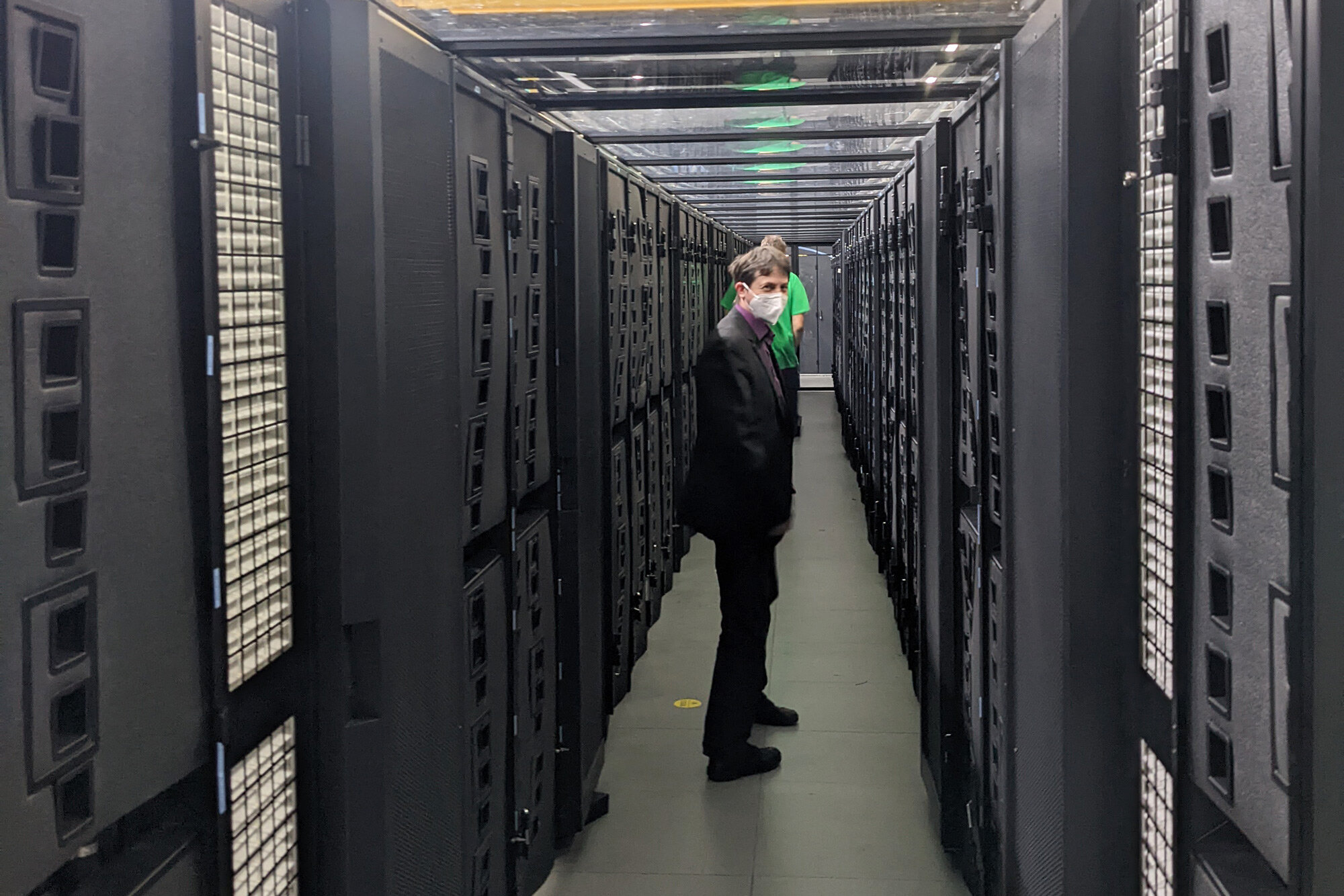
Field Trip – Synaforce GmbH – June 2026
Discover the world of modern data centers up close!
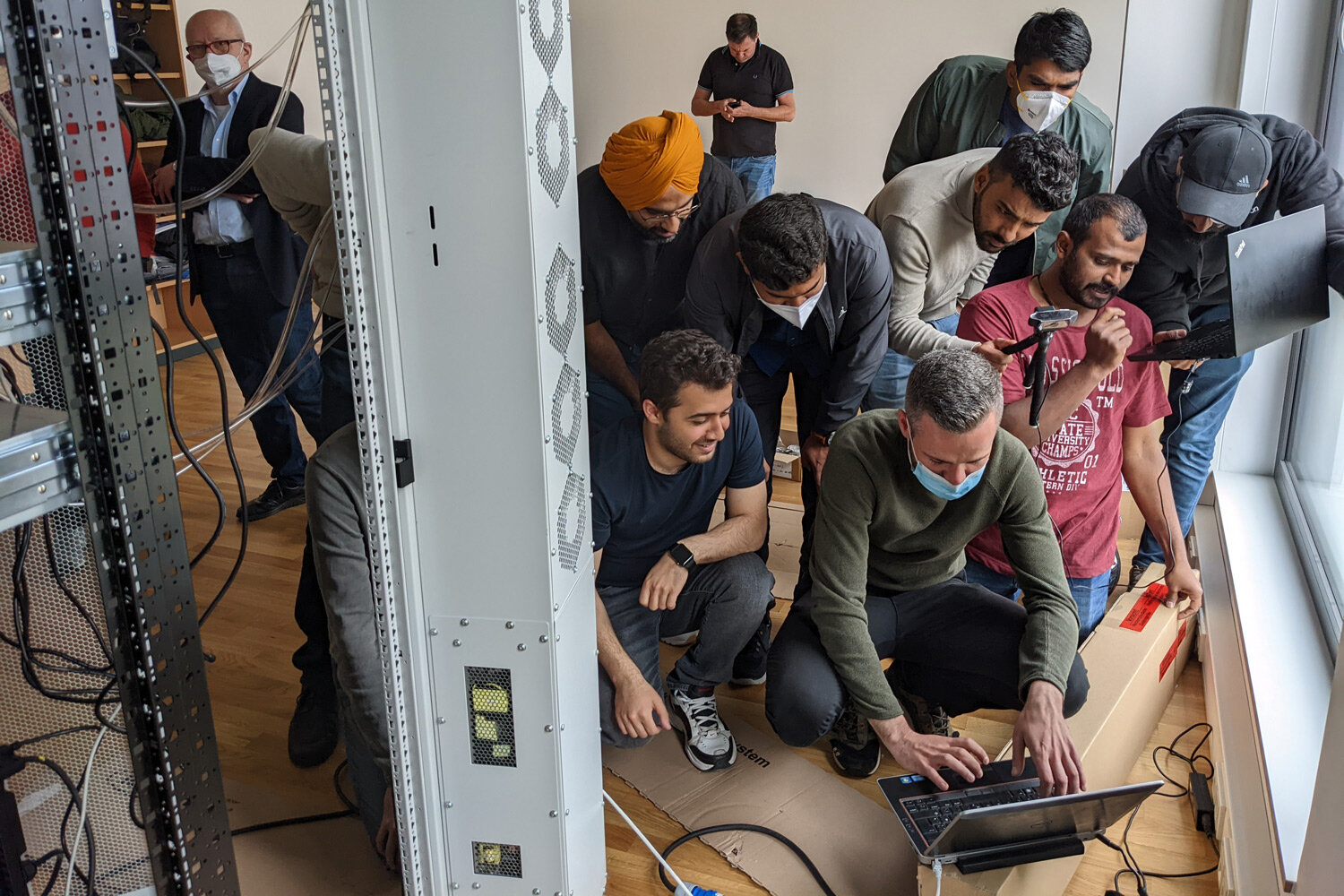
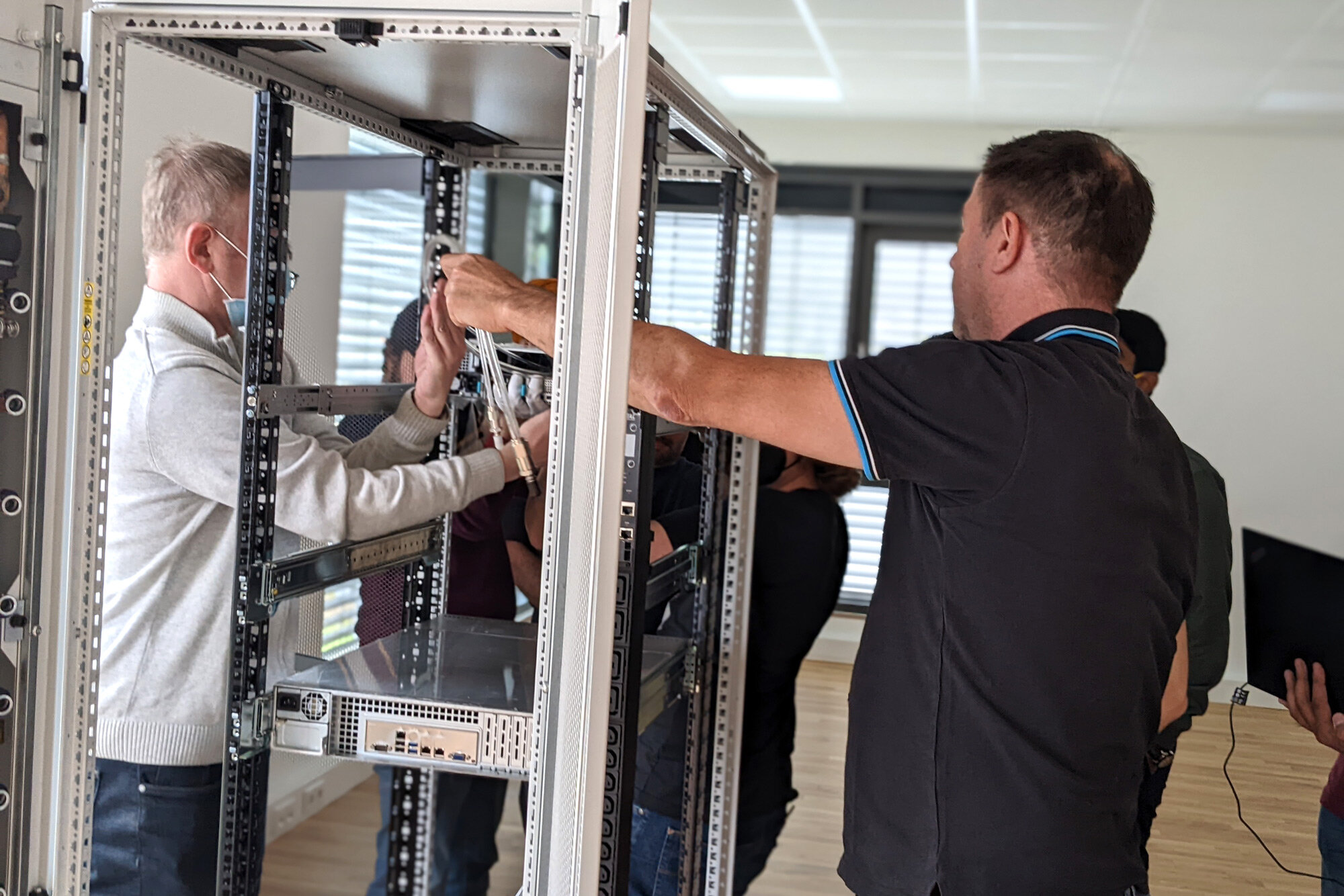
During our excursion to SYNAFORCE GMBH, students gain fascinating insights into key topics regarding data center operations and infrastructure. From innovative housing concepts and efficient cooling systems to electrical cabling and the setup of complex IT structures—experience firsthand how digital infrastructure works in practice. The program is complemented by insights into current IT technologies and their on-site application.
An ideal opportunity to combine theoretical knowledge with practical experience!
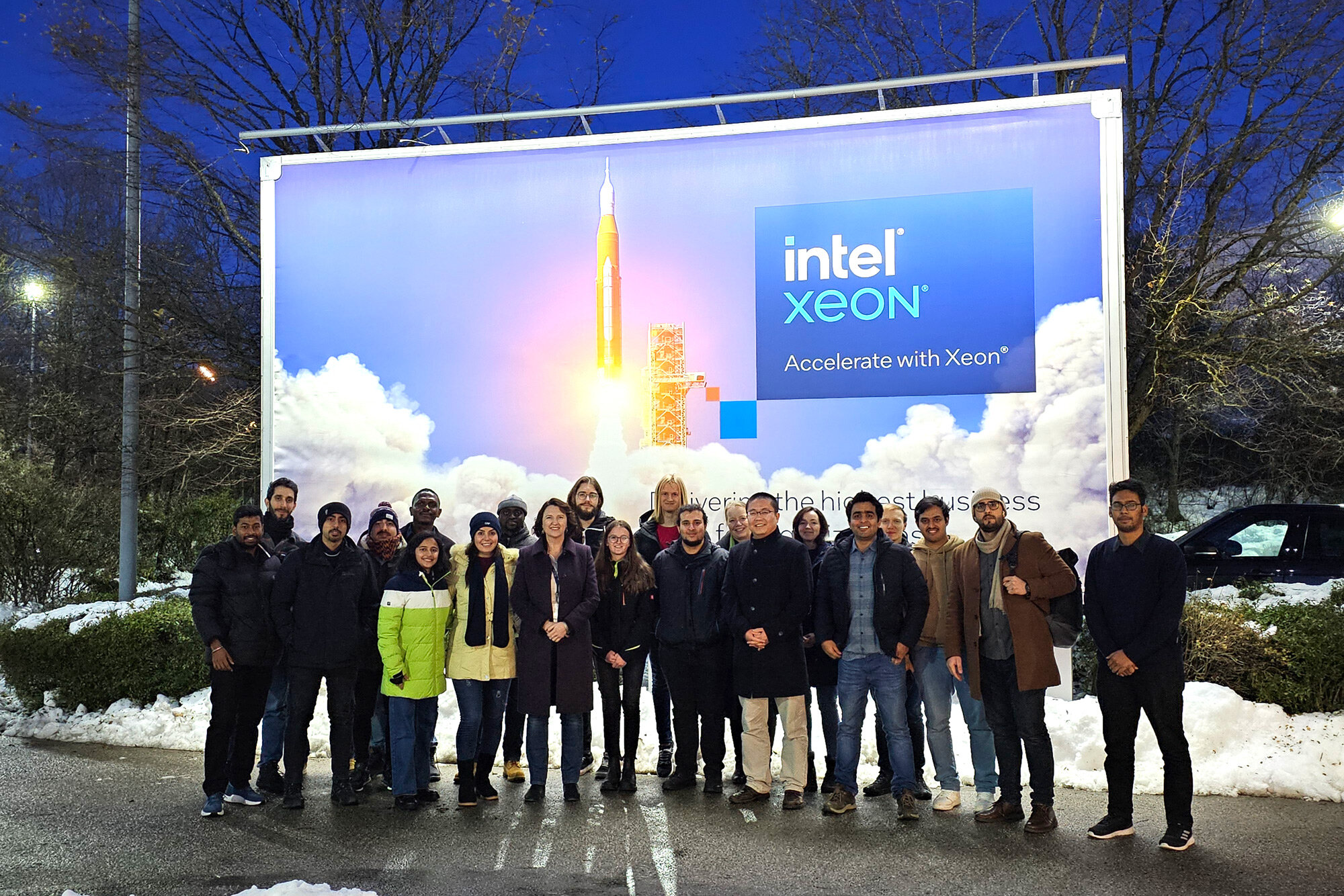
Impressions from past excursions
During 2023 and 2024, we visited the following companies as part of our excursions:
- Max Planck Computing & Data Facility
- Siemens AG
- INTEL
- Leibniz Supercomputing Centre
- FRM II Research Neutron Source
- Synaforce GmbH
- and many more.
podcasts and videos
Building a Quantum Workforce: Curiosity Required
Overview
In this episode of "The Quantum Spin by HKA," Veronica Combs speaks with Professor Dr. Helena Liebelt from the Deggendorf Institute of Technology (DIT) about upskilling and retraining. Drawing on her extensive experience in academia and industry, Prof. Dr. Liebelt emphasizes the importance of targeted training initiatives to build a workforce capable of meeting future demands in the fields of quantum computing and high-performance computing (HPC).
At DIT, Prof. Dr. Liebelt launched the first master's degree program dedicated to HPC and quantum computing. The program is specifically aligned with labor market needs and combines theory with practice; students spend half the week attending classes and the other half working directly with leading companies in the quantum industry.
The episode also explores the challenges and opportunities within the quantum computing landscape, the role of HPC in the future development of quantum technologies, and offers concrete recommendations for anyone wishing to enter this dynamic and forward-looking field.
Podcast link: Podcast with Professor Dr. Helena Liebelt from the Deggendorf Institute of Technology - Quantum Computing Report
fut3ch-symposium
Technology. Today. Tomorrow.
Since 2020, the FuT3ch symposium is an important yearly series of international conferences and covers all aspects of HPC and QC assumed in the different types of super computing of current and future generations. In particular, a specific emphasis has been placed on understanding the fundamental technical details as well as development and applications of new innovative technology e.g. the quantum simulator and advanced cooling of data center.
The highlight of the symposium is that, within framework of the lectures, we establish one platform for presentations of cooperations between the DIT master/bachelor students and academic institutions or industry partners as tutors. Every project is jointly accomplished and presented by both tutees and tutors during the past months. In view of the global high demanding of young talents in the interdisciplinary field such as HPC/QC, it is imperative that forums such as HPC/QC symposium provide a global communication channel to enhance exchange of ideas and information and encourage cross-fertilization of research and development efforts among university and industry.
All technical papers that have been accepted for presentation are reviewed extensively by reviewers. The papers are selected to include the most noteworthy advances and most updated information in high performance computing and quantum computing to be published.
The last FuT3ch Symposium took place in Deggendorf on May 20, 2026.
General Chair: Prof. Dr. Helena Liebelt, Director Institute Future Technologies
Organisation Committe Chair: Antje Fischer, Chief Of Staff, Institute Future Technologies
Exhibition Committe Chair / Intel Quantum Challenge Chair: Prof. Dr. Rui Li, Institute Future Technologies
Paper Committe Chair: Prof. Dr. Peter Faber, Institute Future Technologies
International Steering Committee (Industry Partner):
- IBM
- MEGWARE
- EVIDEN
- LRZ
- NVIDIA
- BAYERN INNOVATIV
- VERBAND INNOVATIVE RECHENZENTREN
- DDN
- SYNAFORCE (HARTL GROUP)
- VMWARE
FAQ
The mission of the IFT is to explore, research, and advance technologies that have the potential to shape the future, with a focus on understanding their implications for society and fostering responsible innovation.
The IFT’s research areas may include artificial intelligence, biotechnology, quantum computing, renewable energy, space exploration, nanotechnology, robotics, and other emerging technologies.
The IFT contributes to society by conducting research that drives technological innovation, informing policymakers and the public about the opportunities and challenges posed by emerging technologies, and promoting ethical and responsible use of technology for the benefit of humanity.
Yes, the IFT may offer educational programs such as workshops, seminars, and courses to educate students, professionals, and the general public about cutting-edge technologies and their potential impact on society.
Yes, the IFT collaborates with academic institutions, research organizations, industry partners, and government agencies to advance its research agenda, foster innovation, and address societal challenges through technology.
contact
Address:
Institute Future Technologies
Veilchengasse 2
94469 Deggendorf
GERMANY
E-Mail: antje.fischer@th-deg.de
Telephone: +49 991 3615-8251